19.8.26
Words by
Echo
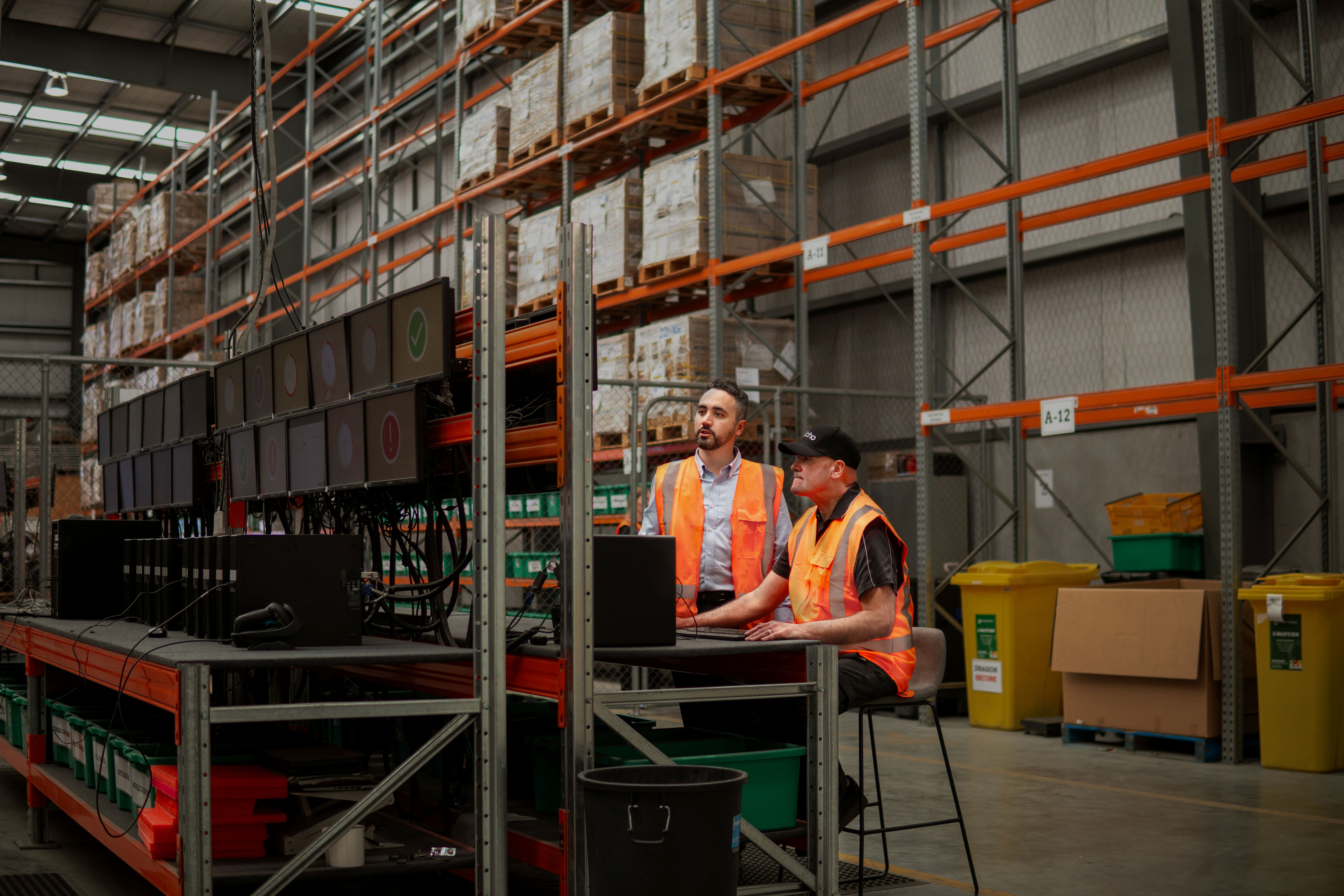
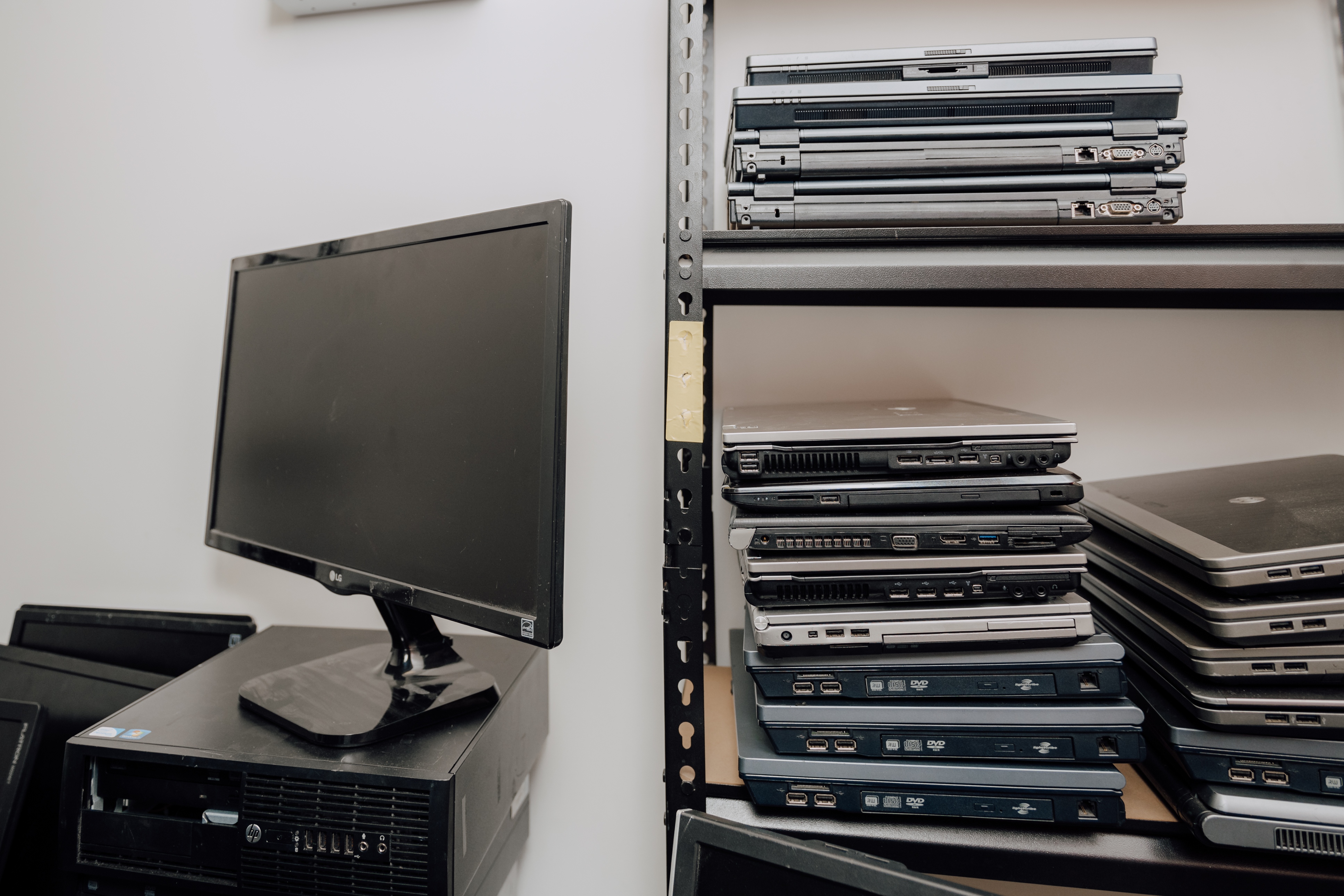
When a laptop, server, hard drive or other piece of technology reaches the end of its useful life within your organisation, there’s one important question to consider before it leaves your hands: what happens to the data stored on it?
Businesses hold significant amounts of sensitive information across their technology – from customer and employee records to financial information, intellectual property and commercially sensitive data.
Simply deleting files, resetting a device or sending old technology for recycling doesn’t necessarily mean that information is gone for good. That’s why secure data destruction is such an important part of responsible IT asset disposition (ITAD).
At Echo, security and traceability are built into the technology lifecycle. Here’s what the journey can look like from the moment your devices are collected through to the secure destruction of your data and responsible management of the equipment that remains.
Step 1: Secure collection and chain of custody
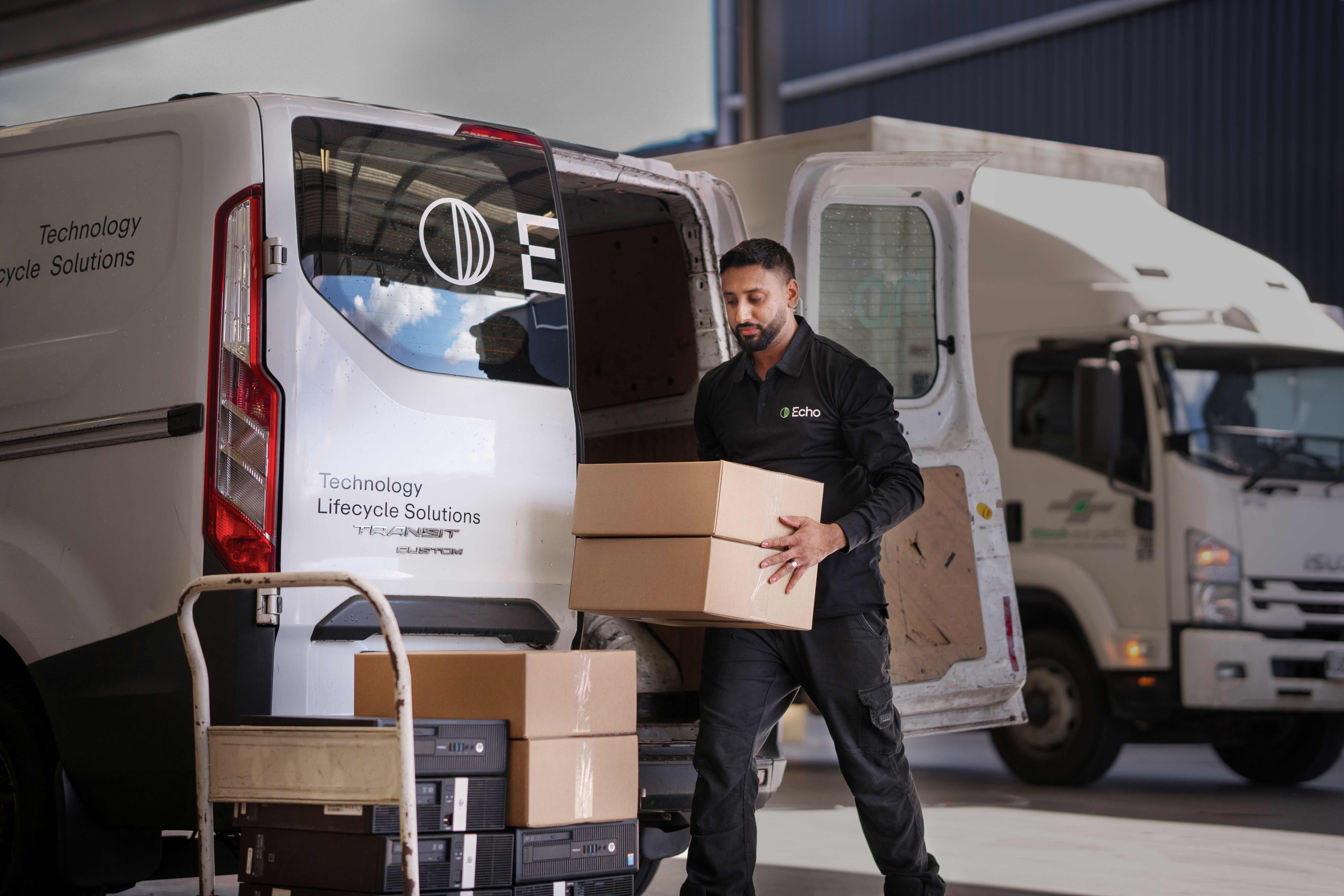
Data security starts before a device arrives at a recycling facility. When technology leaves your organisation, maintaining a clear and secure chain of custody helps reduce the risk of devices becoming lost, misplaced or accessed by unauthorised people.
Echo provides secure collection and logistics solutions for businesses across New Zealand, with equipmen ttracked as it moves from the customer through our facilities and processing pathways. For organisations managing larger IT refreshes, office relocations, data centre decommissions or regular volumes of retired equipment, having a structured process in place is particularly important.
Step 2: Receiving and asset tracking
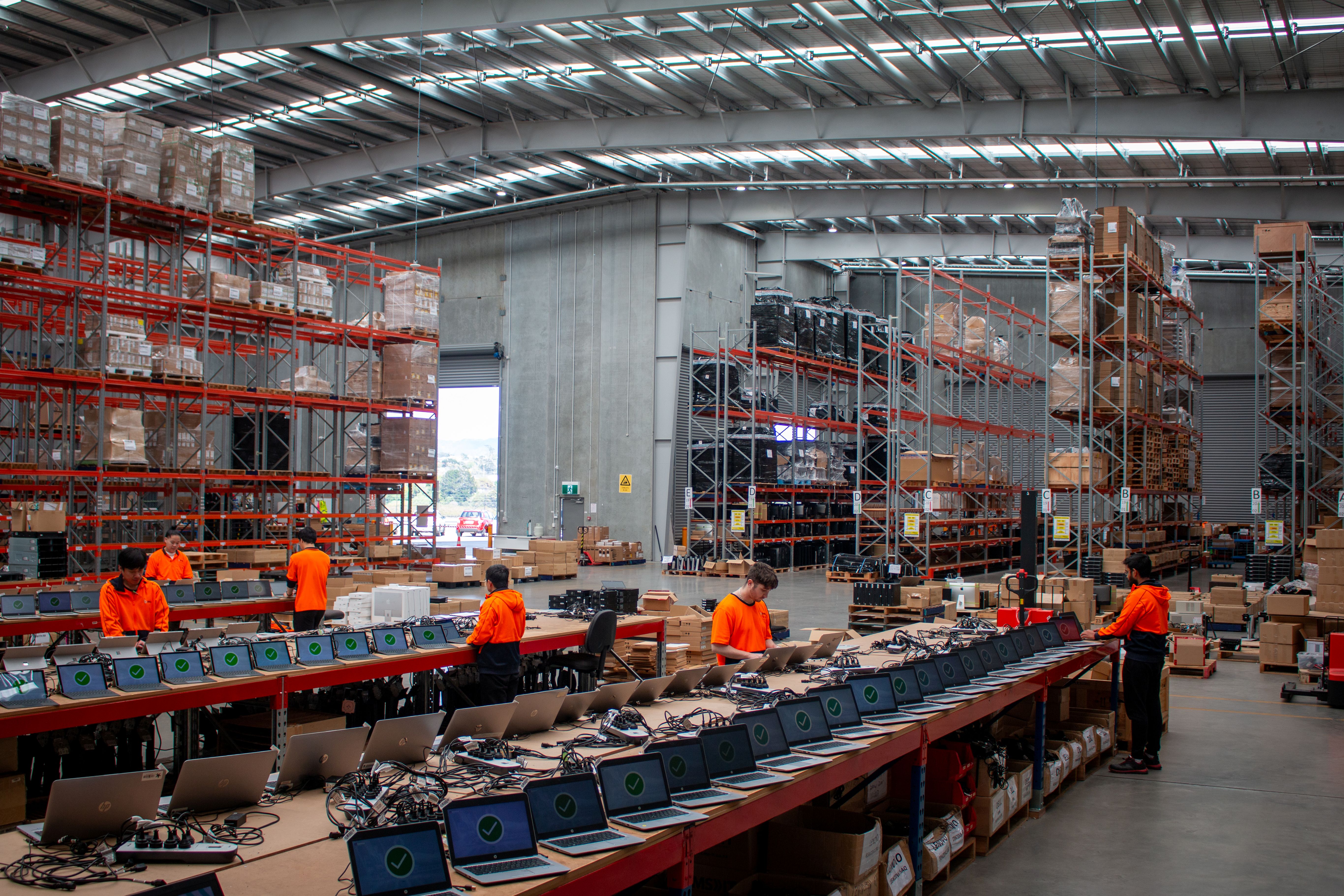
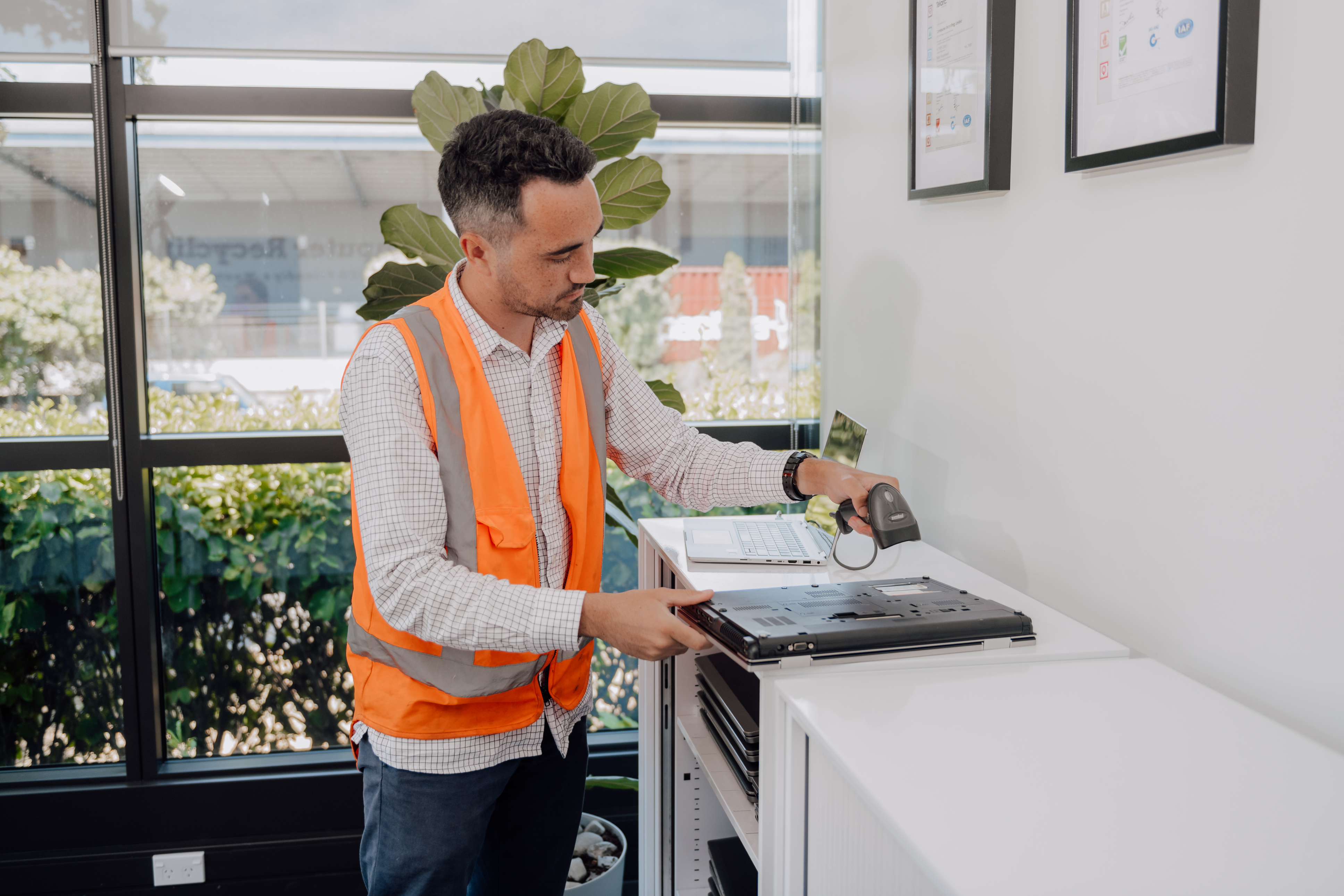
Once equipment arrives at an Echo facility, devices are received into our secure environment and recorded through our asset management processes. This creates traceability throughout the ITAD journey and provides businesses with visibility over the technology they have entrusted to us. Depending on the service required, assets can be identified, assessed and processed according to the agreed pathway.
This step is about more thaninventory management. Knowing exactly what equipment has been received, whereit is and what happens to it next is a fundamental part of maintaining datasecurity.
Step 3: Identifying data-bearing devices
Not every piece of technology holds data, but many more devices are data-bearing than people might initially realise. Laptops, desktops, servers, hard drives and solid-state drives are obvious examples, but data can also be stored across a wide range of other technology.
As part of a secure ITAD process, data-bearing assets need to be identified and directed through an appropriate data destruction pathway before they can be reused, remarketed or recycled. The right method will depend on the device, storage media, security requirements and intended outcome for the equipment.
Step 4: Secure data destruction
There are several ways data can be securely destroyed. For equipment that can be reused, secure data erasure can remove data while allowing the device to remain intact and potentially begin a second life.
Where physical destruction is required, storage media such as hard drives can be physically destroyed, ensuring the data they contain cannot be recovered. Echo offers a range of secure data destruction services, including data erasure, degaussing and physical hard drive destruction, allowing organisations to select a solution appropriate to their security and compliance requirements.
The important distinction is that secure data destruction is a deliberate, controlled and verifiable process – not simply deleting files or performing a standard factory reset.
Step 5: Verification and Reporting
For businesses, knowing that data has been destroyed is important. Being able to demonstrate it can be equally important. A robust ITAD programme should provide appropriate documentation and reporting to support an organisation’s internal governance, security and compliance requirements.
This creates an auditable record of how retired technology has been managed and gives organisations greater confidence that both their assets and their information have been handled appropriately.
Step 6: Giving technology its next life
Once data has been securely removed, the journey of the physical device can continue. Where equipment still has useful life, refurbishment and remarketing can allow it to be reused rather than prematurely recycled.
Extending the life of technology helps retain more of the value already embedded in a device and supports a more circular approach to technology consumption. For businesses, remarketing suitable equipment can also provide an opportunity to recover residual value from retired IT assets.
Step 7: Responsible e-waste recycling
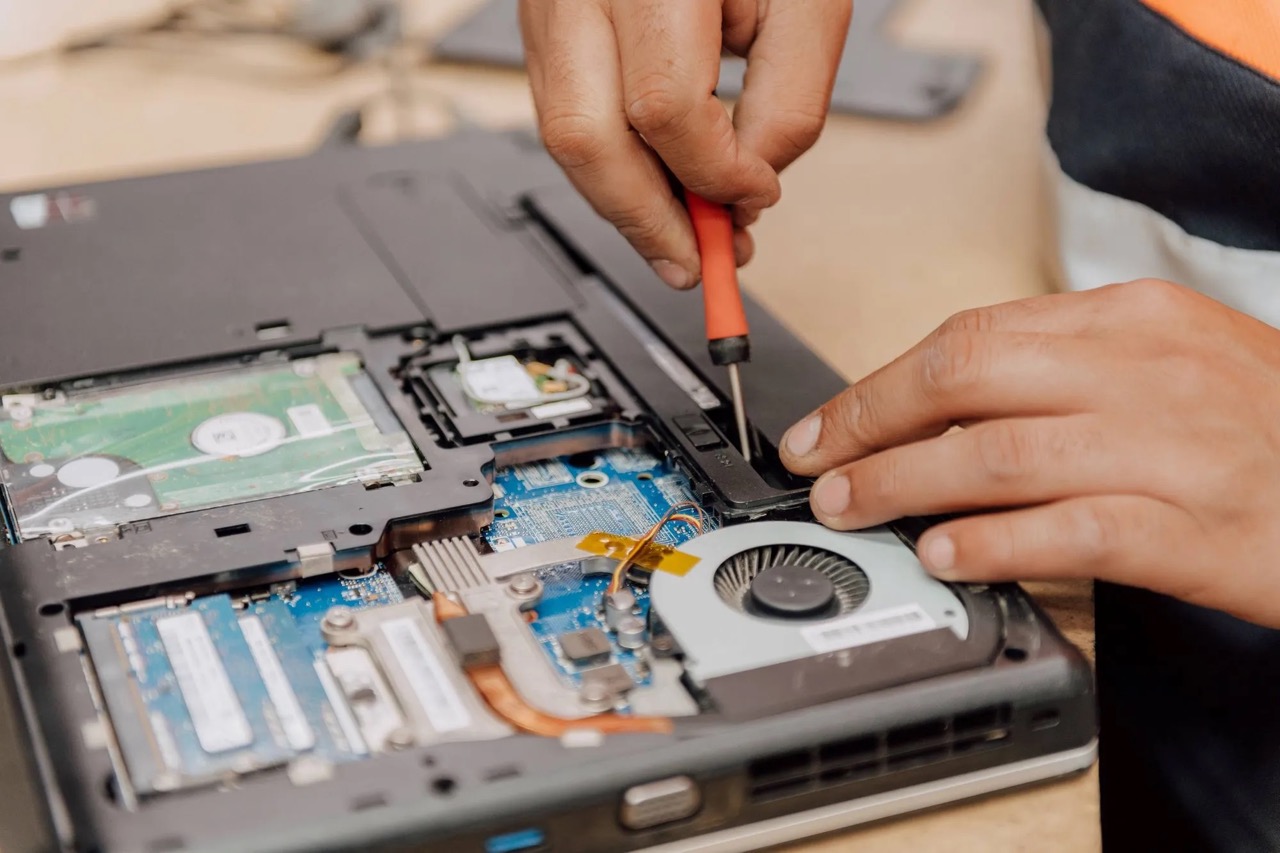
Not every device can be reused. Equipment that has genuinely reached the end of its useful life can be dismantled and processed through responsible e-waste recycling pathways, allowing valuable materials to be recovered while reducing the amount of electronic waste going to landfill.
This is where data security and sustainability come together. A responsible technology lifecycle strategy shouldn't require businesses to choose between protecting sensitive information and achieving better environmental outcomes. With the right processes in place, organisations can do both.
Secure data destruction is part of the bigger picture
Technology may reach the end of its life within your organisation, but the information stored on it – and the device itself – still needs to be managed carefully. A secure ITAD process considers the entire journey: from collection and chain of custody through to asset tracking, data destruction, reporting, reuse and responsible recycling.
By understanding what happens toyour technology after it leaves your organisation, you can make more informeddecisions, reduce data security risk and support a more circular approach tomanaging IT assets.
Need to securely dispose of your organisation’s technology?
Echo provides secure IT asset disposition, data destruction and e-waste recycling services for businesses and organisations across New Zealand.
Talk to our team about creating asecure and responsible pathway for your end-of-life technology.


.svg)







.png)


.jpg)
.jpg)


.avif)

