21.6.26
Words by
Echo
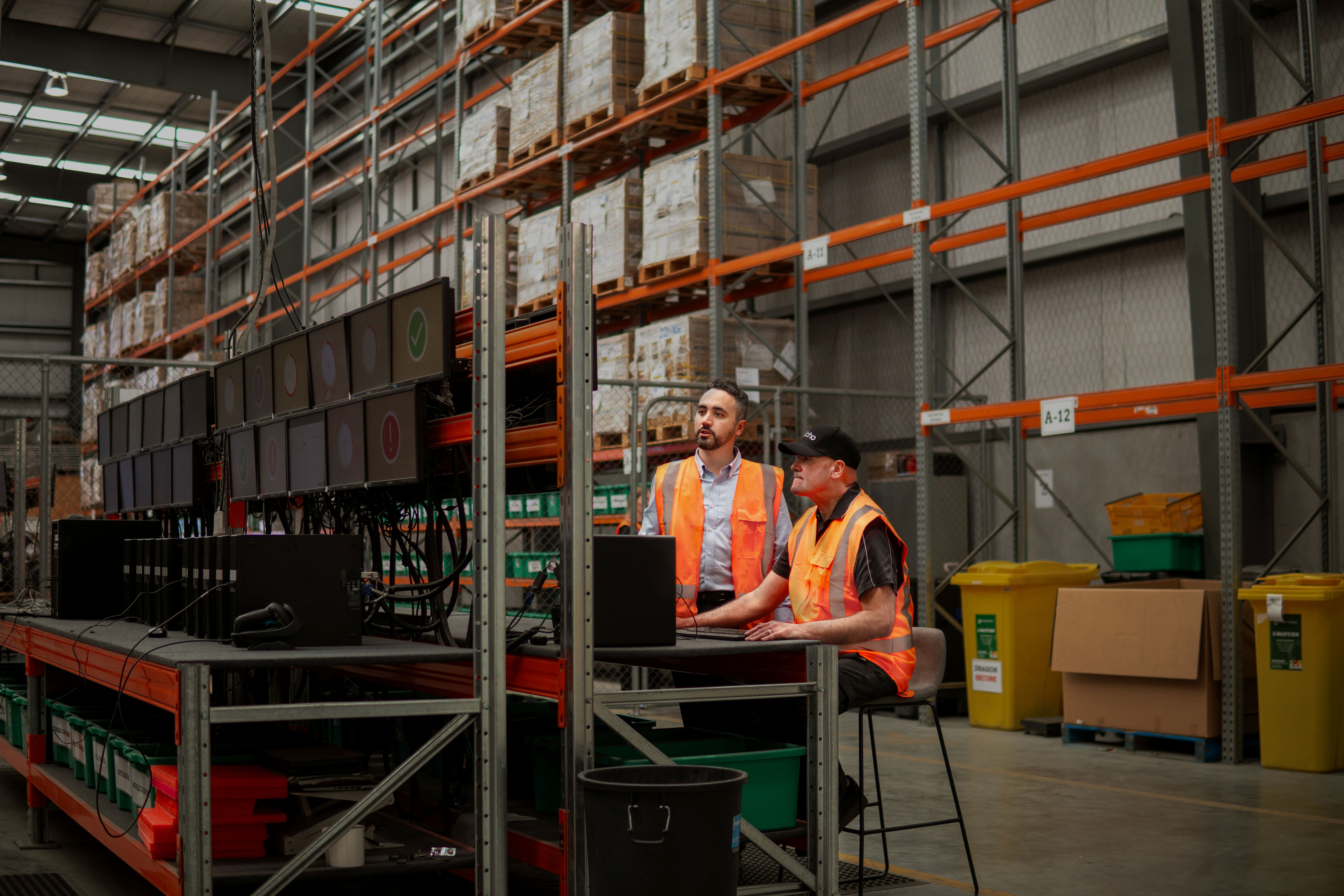
Technology is essential to modern business, but what happens when devices reach the end of their useful life?
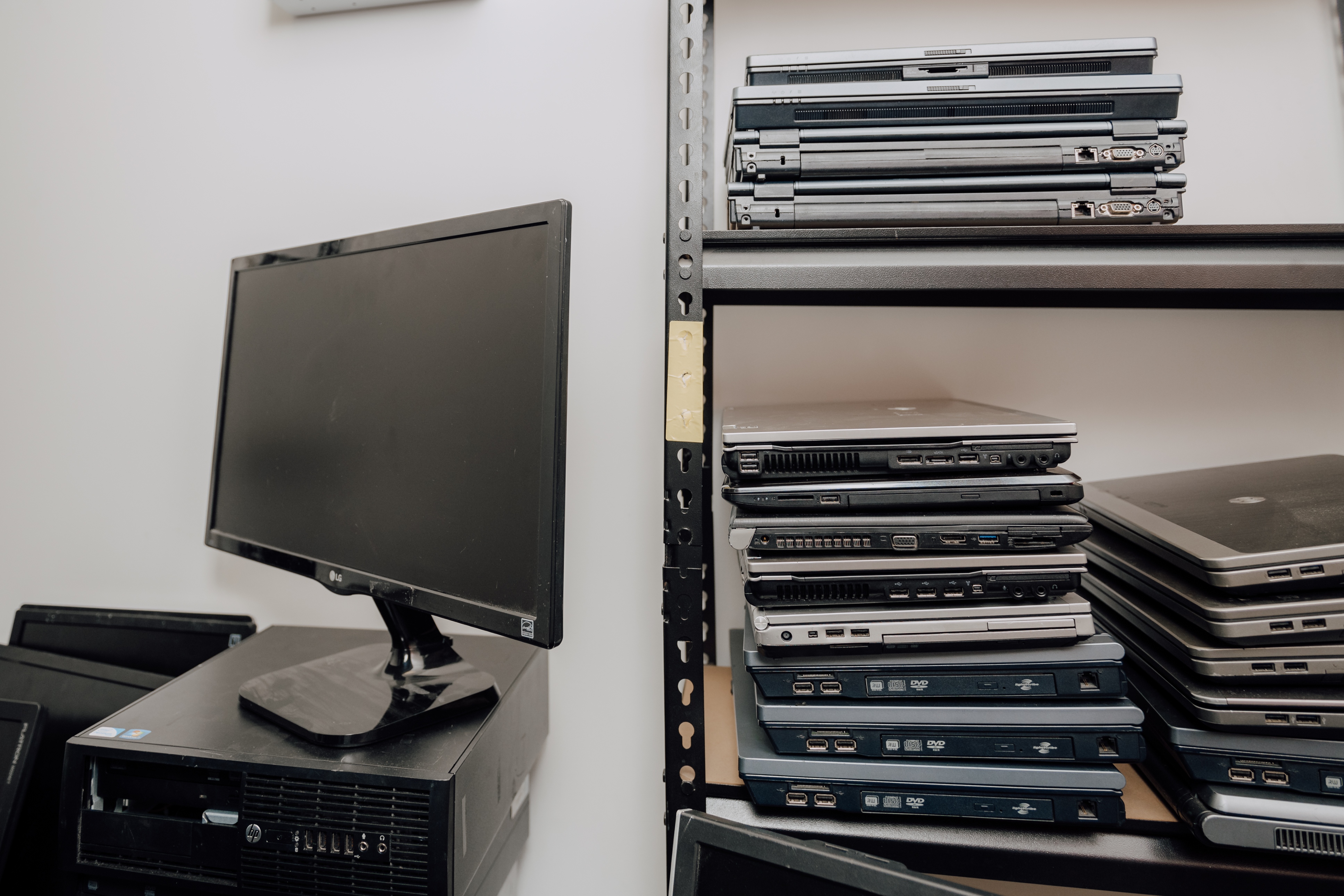
For many organisations, the answer isn't always clear. Old laptops end up in storage cupboards, retired mobile phones sit in desk drawers, and surplus equipment accumulates across offices, warehouses and employee homes. Over time, this creates data security risks, environmental concerns, and missed opportunities for value recovery.
A structured device recycling programme helps organisations manage technology responsibly throughout its lifecycle — protecting sensitive information, supporting sustainability goals, and ensuring equipment is handled appropriately at end-of-life.
Want to see what a complete technology lifecycle programme looks like? Watch our IT Asset Disposition (ITAD) overview to learn how Echo helps organisations securely manage technology from deployment through to end-of-life.
The first step is defining what happens to technology when it is no longer required.
Your policy should cover:
Having a documented process helps ensure consistency across the organisation and reduces the likelihood of devices falling through the cracks.
One of the biggest barriers to successful device recovery is convenience.
Employees are far more likely to return unwanted technology if the process is simple and accessible.
Consider options such as:
The easier the process, the higher the participation rate.
Even the best programme will struggle if employees don't know it exists.
Regular internal communications can help remind staff about:
Many organisations find success by incorporating device recycling into onboarding, offboarding and sustainability communications throughout the year.
Before any device leaves your organisation, data security should be a primary consideration.
Laptops, desktops, servers, smartphones and storage devices often contain sensitive business information long after they have stopped being used.
A robust recycling programme should include:
This ensures information is permanently removed and provides peace of mind for both organisations and their customers.
Recycling is important, but reuse should always be considered first.
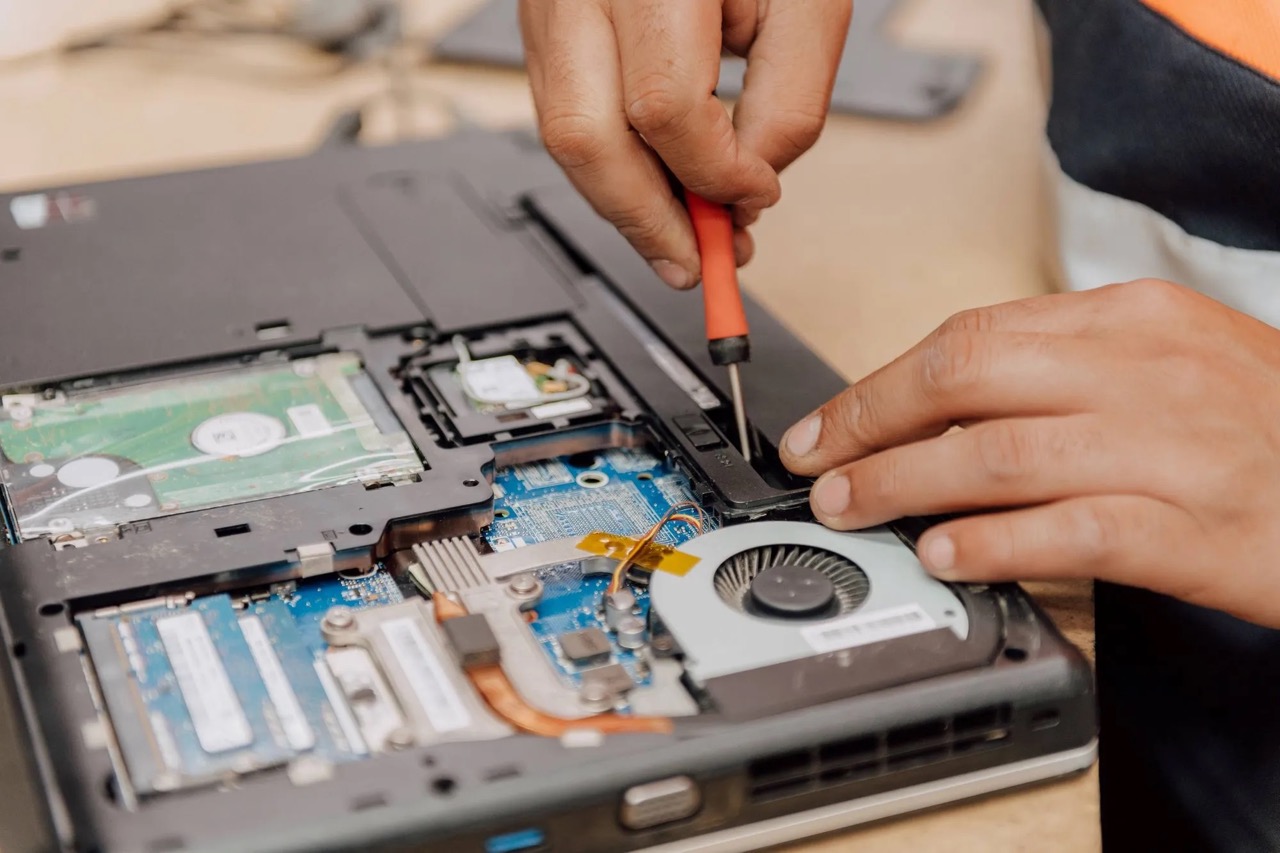
Where appropriate, devices can often be:
Extending the life of technology reduces demand for new resources and supports a more circular economy.
Only equipment that has reached genuine end-of-life should move into material recovery and recycling streams.
Many organisations are increasingly looking to quantify the environmental impact of their technology programmes.
Tracking outcomes can help demonstrate progress against sustainability goals and provide meaningful data for ESG reporting.
Metrics may include:
Having access to this information helps organisations better understand the impact of their technology lifecycle decisions.
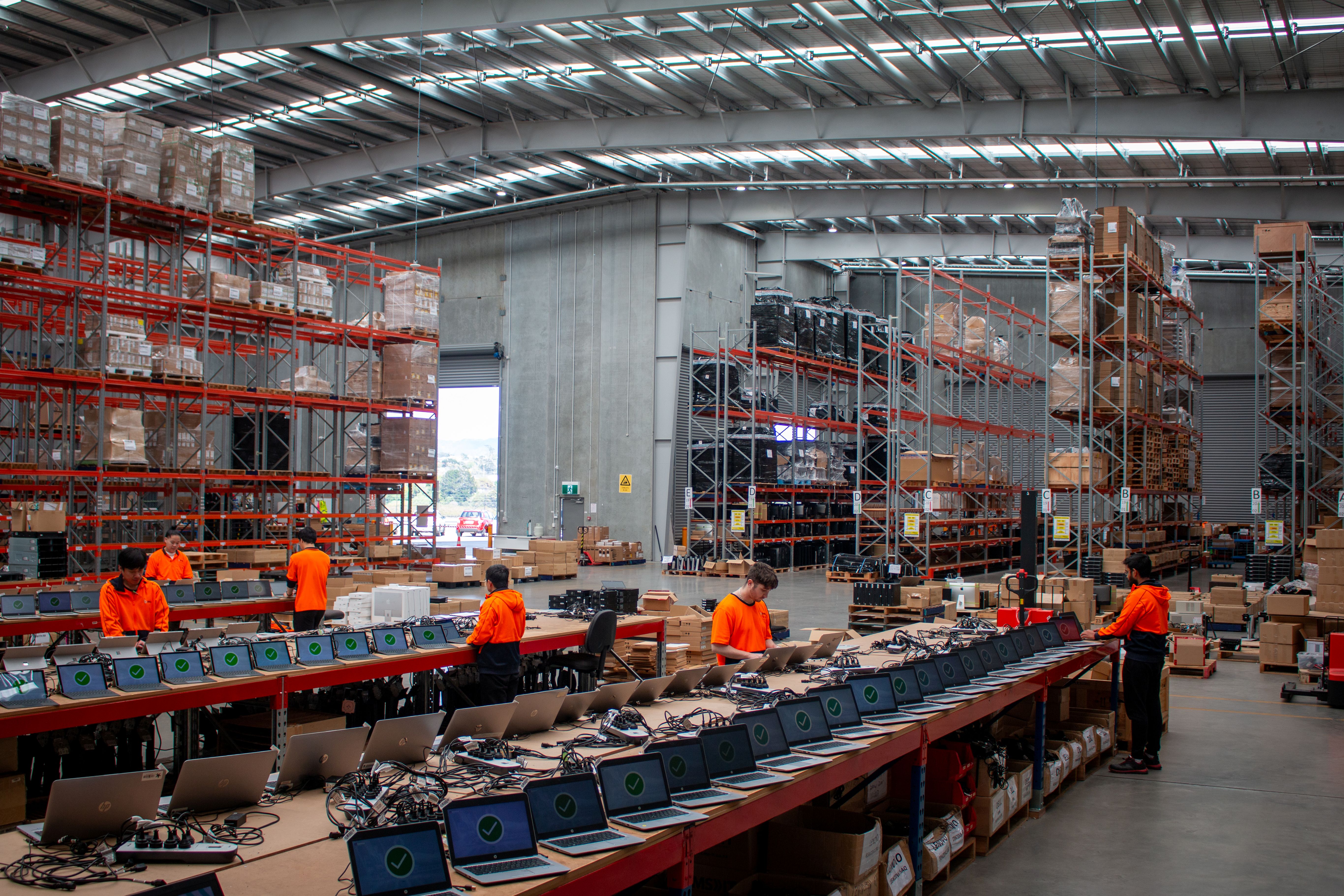
At Echo, we work with organisations across New Zealand to create secure, sustainable and transparent technology lifecycle programmes.
Our services include:
Whether you're managing hundreds of devices or thousands, a structured device recycling programme can help protect data, recover value, and ensure technology is managed responsibly at every stage of its lifecycle.
If your organisation doesn't yet have a device recycling programme in place, now is a great time to start.


.svg)










.png)


.jpg)
.jpg)


.avif)

