14.12.25
Words by
Echo
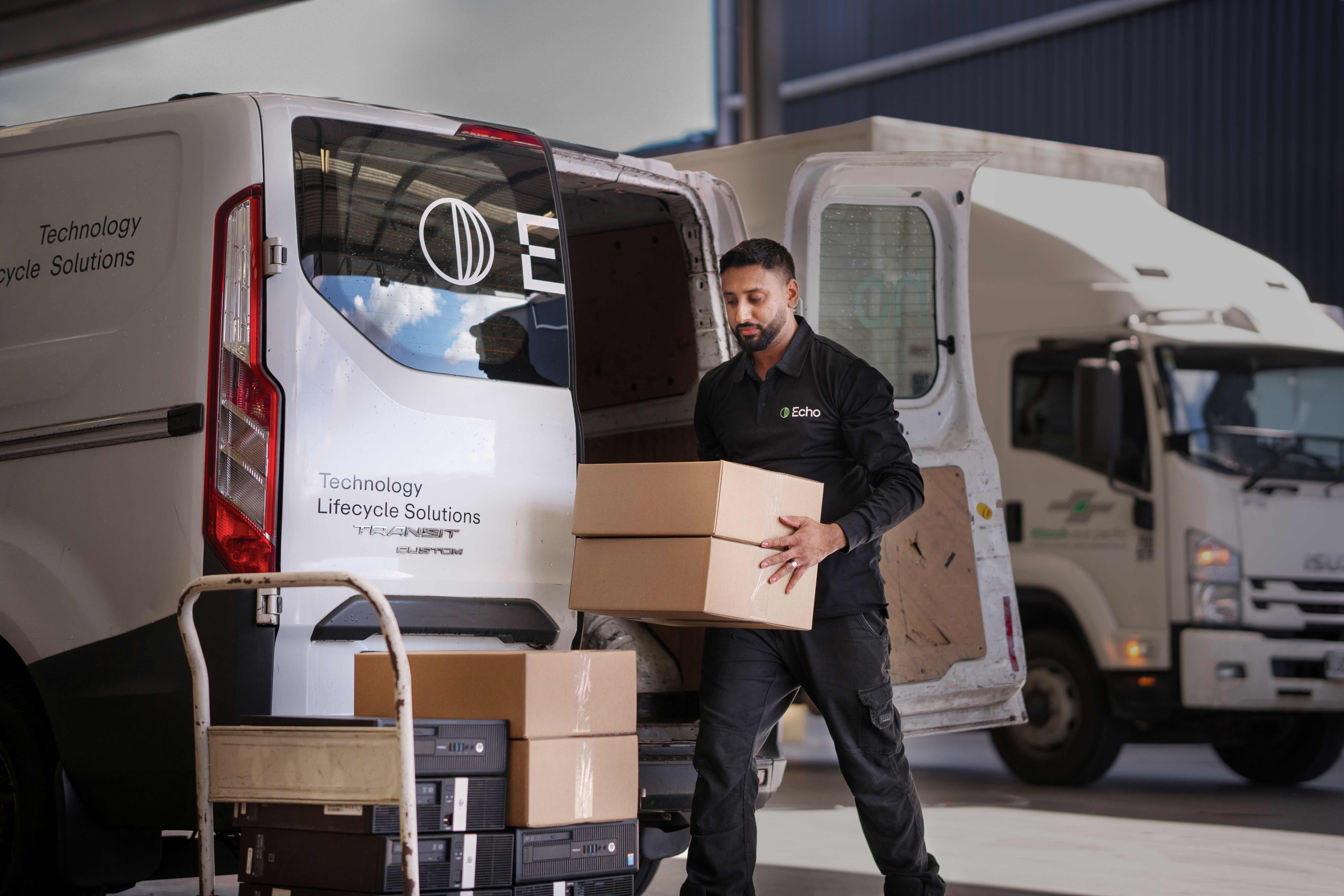
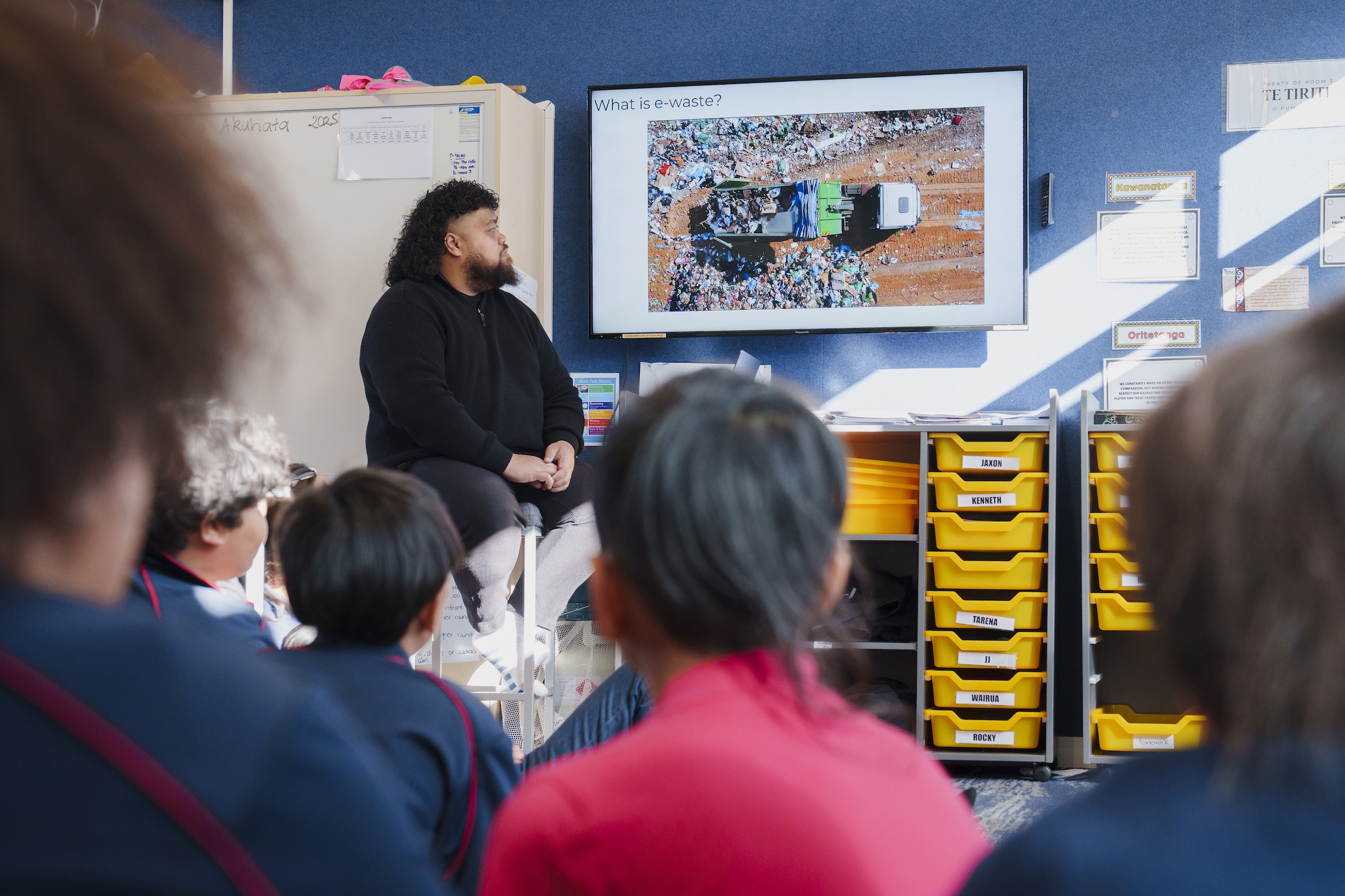
Each year, millions of devices reach the end of their operational life – laptops, mobile phones, monitors, servers and other electronics that have powered our work, home, and digital lives. But when these devices are no longer useful to us, what happens next>
Too often, they’re boxed up, forgotten, or sent to landfill. But what many businesses and individuals don’t realise is that end-of-life electronics still hold significant value – both environmentally and economically.
At Echo, we believe these devices deserve a second life. Let’s explore how electronic asset recovery works, and why sustainable IT disposal is essential, and how you can make smarter decisions during end-of-year tech clean-outs.
End-of-life doesn’t mean end of value.
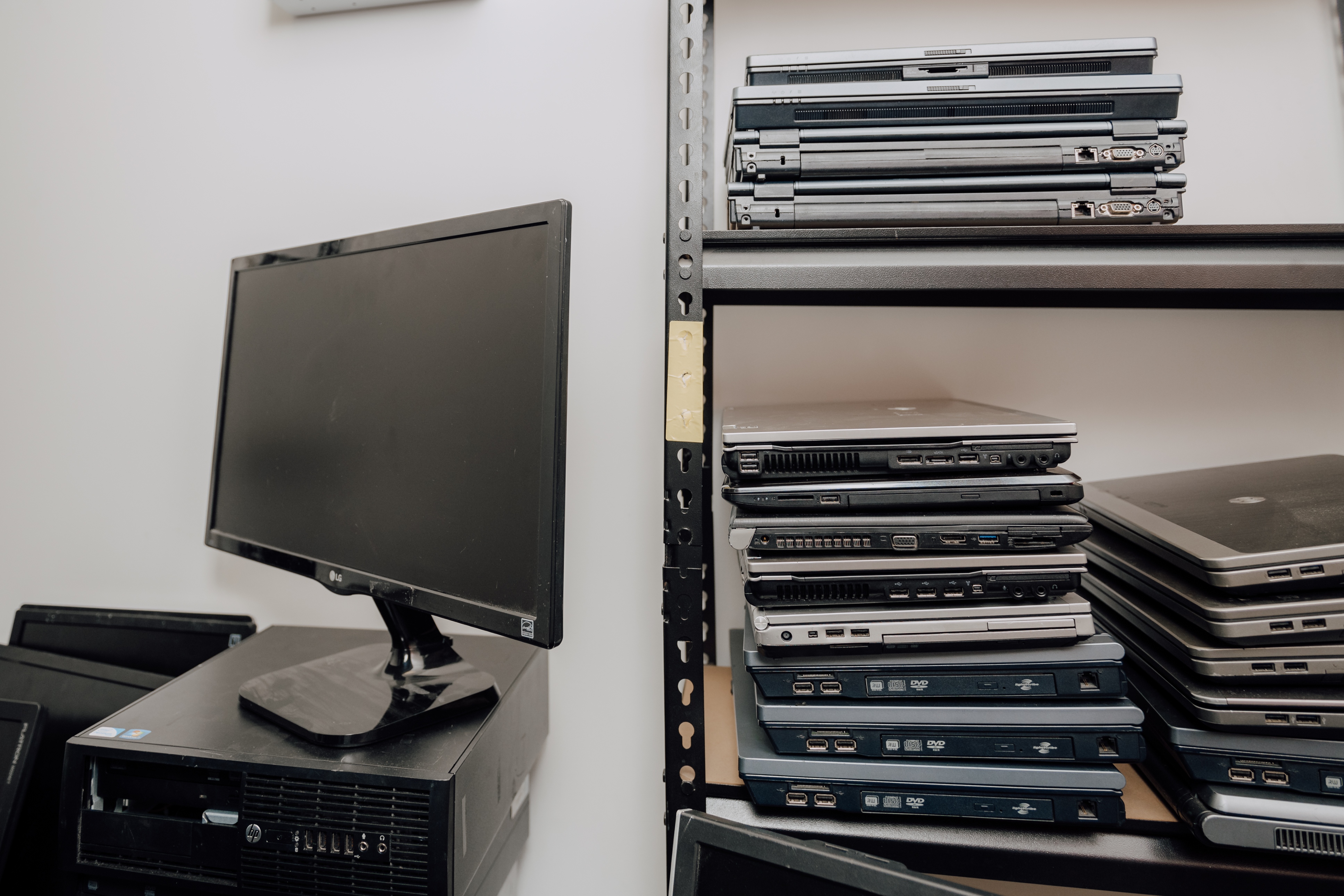
The term end-of-life electronics refers to devices that are no longer needed, functional, or supported. This might include outdated phones, retired enterprise hardware, broken screens, or simply surplus office equipment.
But just because a device has reached its “end of life” for one user doesn’t mean it’s useless. In fact, many of these items:
The key is having the right systems and partners in place to extract this value responsibly and securely.
Why proper disposal matters
When e-waste ends up in landfill or is processed by unaccredited handlers, the result can be both environmentally and ethically damaging.
E-Waste often contains hazardous materials which can leach into soil and waterways. It’s also a waste of recoverable resources that could be reused or recycled with the right technology.
Proper sustainable IT disposal ensures that:
What is electronics asset recovery?
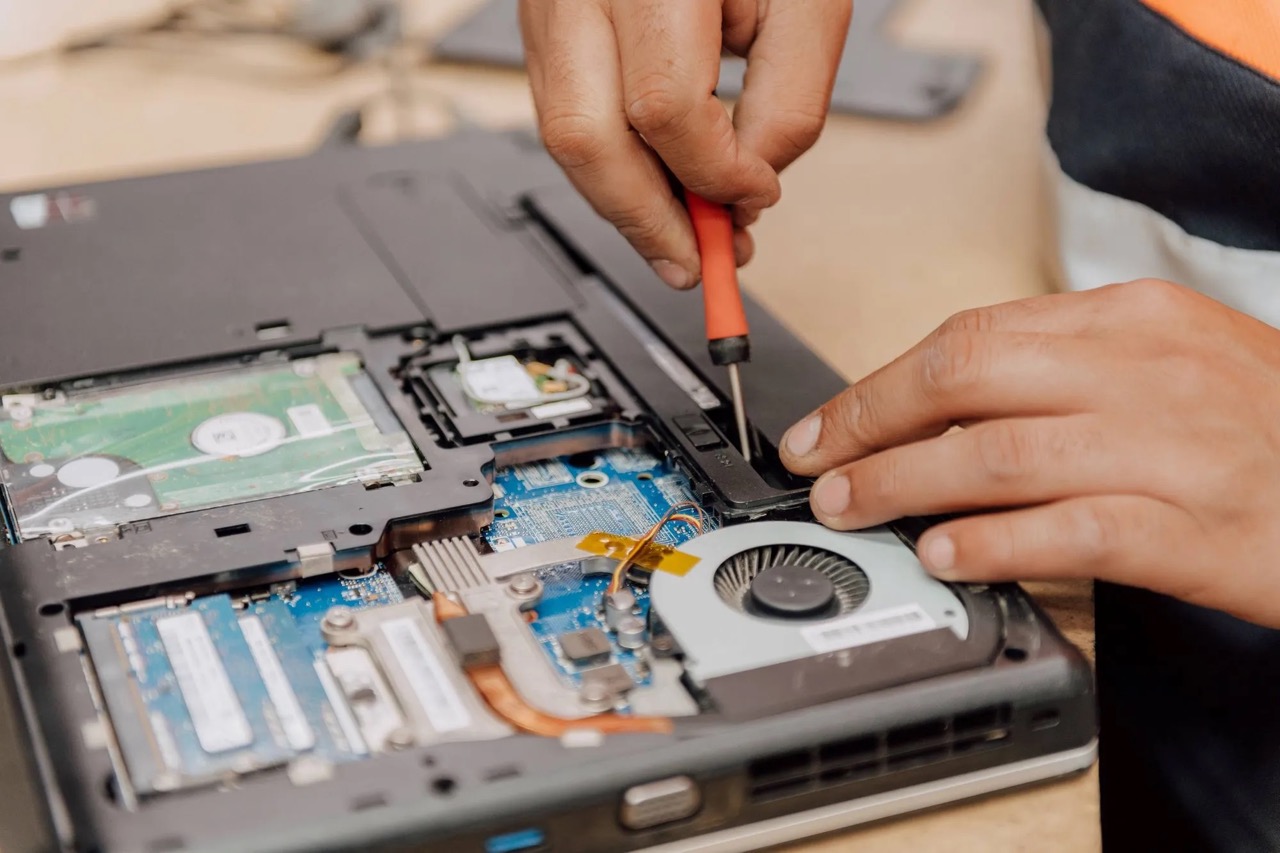
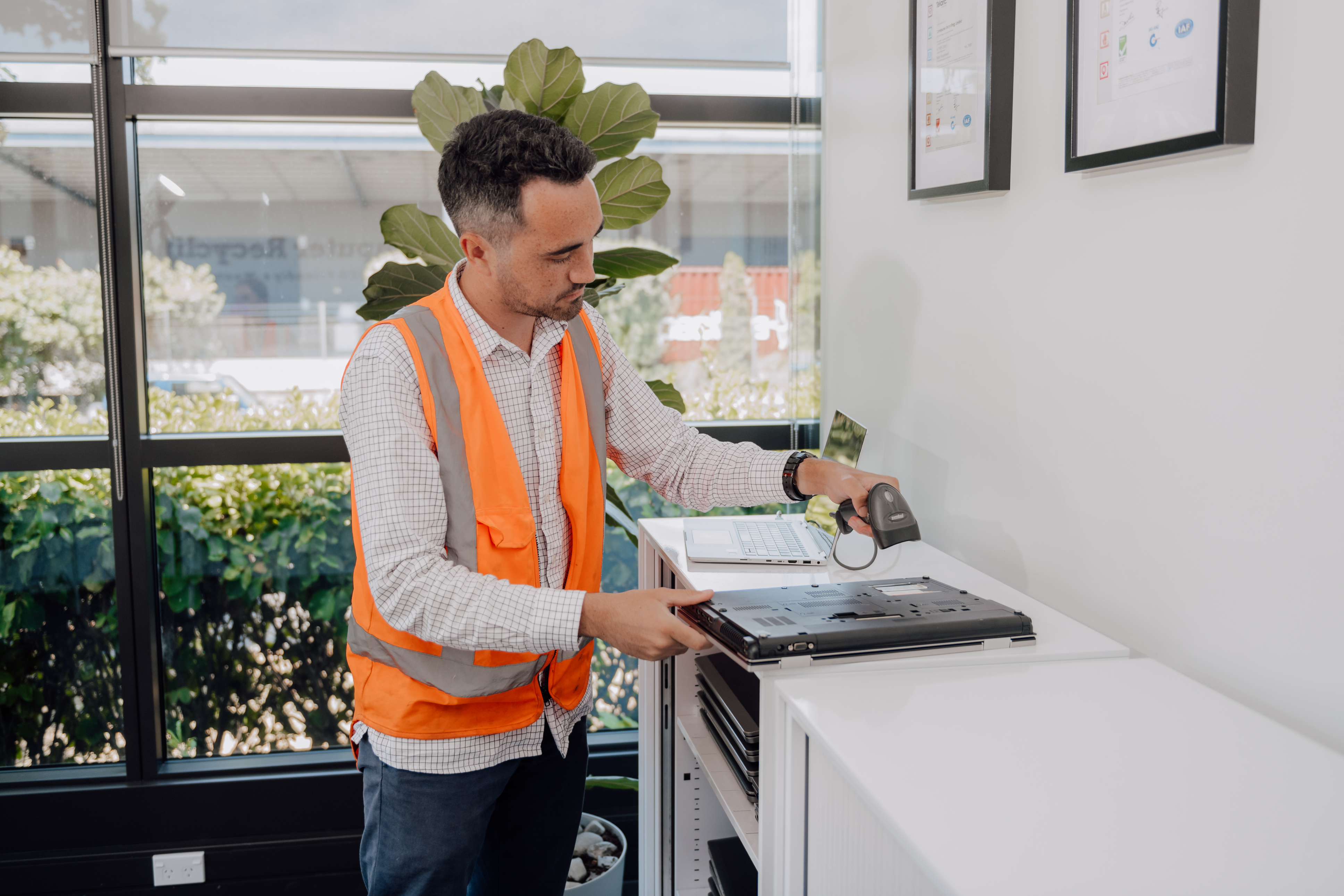
Electronics asset recovery is the process of identifying and extracting value from unwanted or obsolete IT equipment.
This includes:
Whether you’re upgrading a fleet of laptops or clearing out your IT storeroom before the holidays, asset recovery helps reduce waste and recoup costs – all while doing right by the environment.
A circular approach to IT lifecycle
The traditional IT lifecycle looks like this: Buy → Use → Discard. But a more circular approach extends that timeline by asking: What can be reused, repurposed, or recovered?
At Echo, our model focuses on:
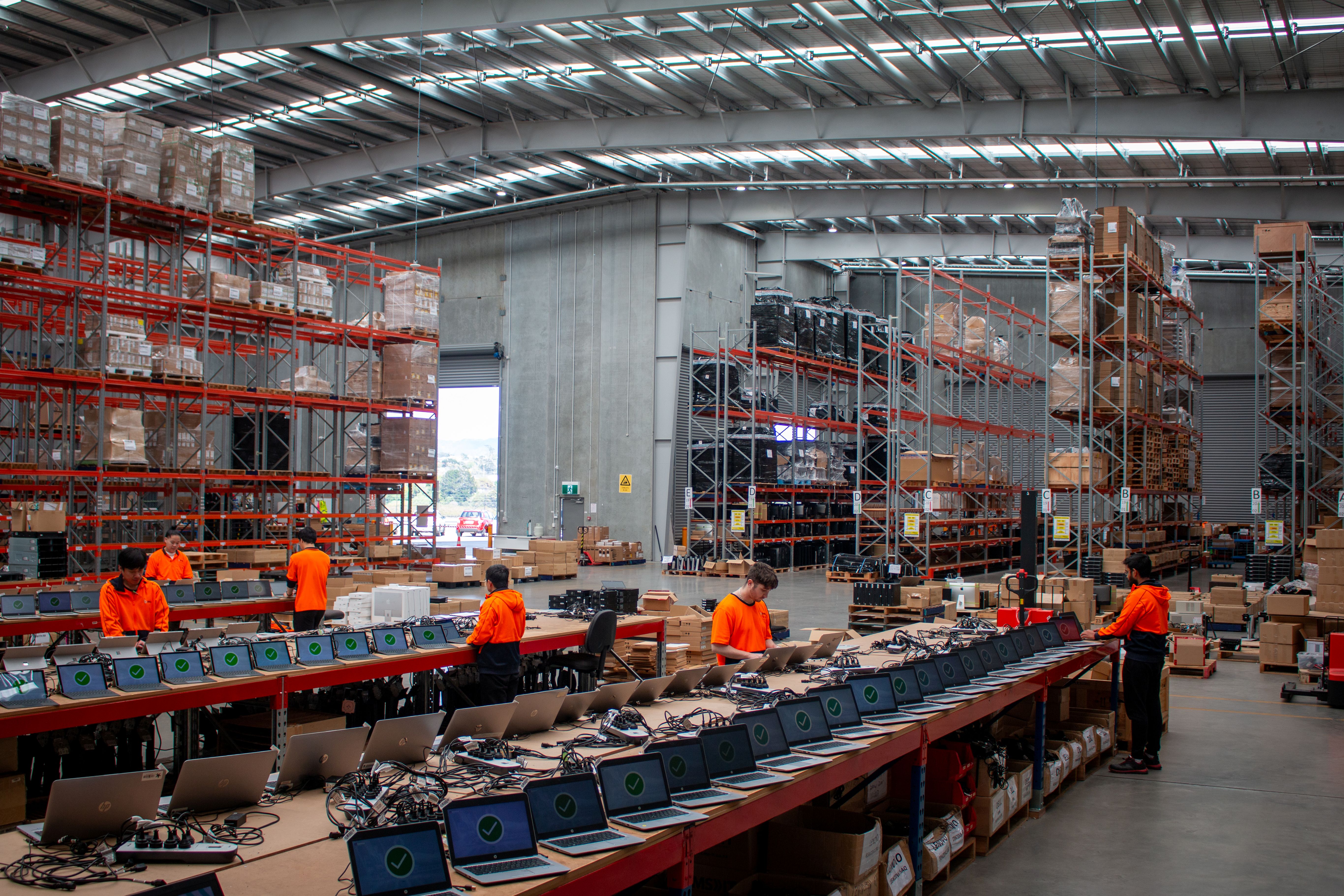
One way we give devices a second life is through our partnership with Recycle A Device (RAD).Each year, Echo donates over 100 laptops and other electronics to RAD. These are refurbished and deployed across Aotearoa to support digital inclusion, education, and youth development.
The devices Echo donates often end up in the hands of young people who need them for school, study, or work - helping bridge the digital divide and supporting community impact alongside e-waste reduction.
This circular approach supports organisations working toward ESG goals, climate reporting, or waste minimisation strategies - all while meeting compliance and data security requirements.
December is the Perfect Time to Act
December is a natural moment to clear out unused tech - especially for schools, businesses, and government agencies heading into shutdown periods.
Rather than storing devices in cupboards or sending them to landfill, now’s the time to:
Echo has already diverted more than 4 million kg of e-waste from landfill in the past year. With dozens of community E-Day collection drives, and hundreds of tonnes recovered through commercial collections, we know the impact adds up.
Ready to Give Your Devices a Second Life?
Let’s turn this year’s e-waste into next year’s opportunity. At Echo, we’re proud to support community reuse through RAD, reduce landfill through advanced e-waste processing, and help New Zealand organisations meet their sustainability goals.


.svg)











.png)


.jpg)
.jpg)


.avif)

