25.2.26
Words by
Echo

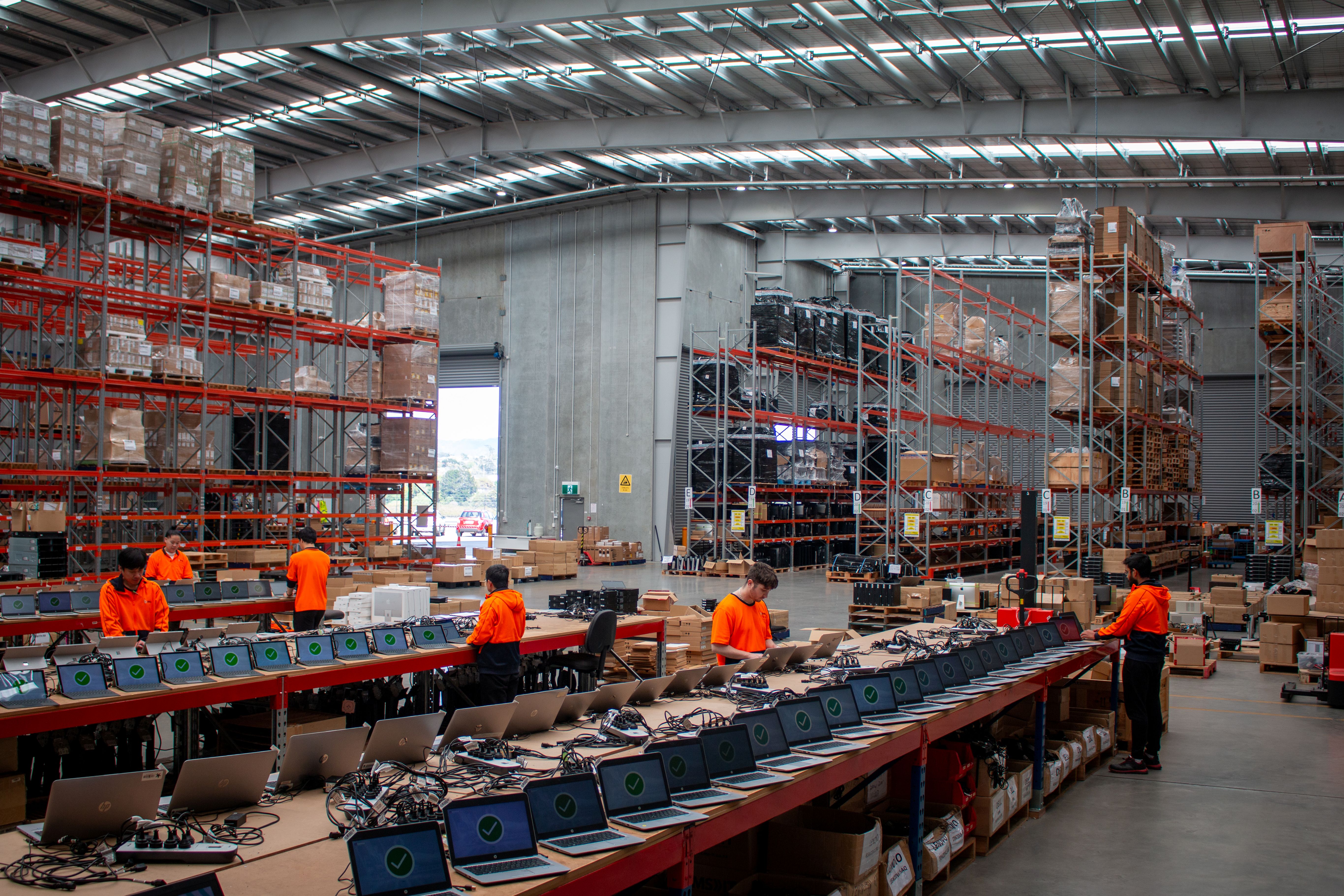
For many organisations, end-of-life technology is treated as an afterthought. Old laptops sit in storage rooms, retired servers pile up in racks, and obsolete equipment quietly accumulates until someone eventually sends it for recycling.
But as environmental reporting and procurement standards evolve, e-waste recycling is no longer just an operational task – it’s a compliance and governance issue.
A structured, compliant IT disposal strategyprotects your orgnaisation from data security risks, ensures regulatory alignment, and supports credible ESG reporting.
Moving from a landfill to a lifecycle frame of mind is not a key requirement for responsible IT asset management.
Why E-Waste Compliance Matters More Than Ever
Technology refresh cycles are accelerating, and organisations are generating more end-of-life equipment than ever before. At the same time, expectations from customers and stakeholders are rising.
Poorly managed e-waste creates several risks:
Data Security Risk
Improper disposal can expose sensitive data long after devices leave your organisation.
Environmental Risk
Electronics contain hazardous materials that must be handled responsibly to avoid environmental harm.
Compliance Risk
Many organisations must now demonstrate responsible disposal through ESG reporting, supplier audits, or procurement policies.
Reputation Risk
Stakeholders increasingly expect transparent, verifiable sustainability practices.
Without a clear policy in place, IT disposal can quickly become a weak point in an otherwise strong ESG programme.
What a Compliant IT Disposal Strategy Looks Like
A compliant e-waste strategy goes beyond occasional collections. It requires a structured approach to IT asset management and compliant IT disposal that is secure, auditable, and aligned with ESG expectations.
Key elements include:
Clear IT asset management
Organisations need visibility across the lifecycle of equipment, from procurement through to retirement. Accurate asset registers make disposal predictable and auditable rather than reactive.
Secure and verifiable disposal
A compliant programme should include certified data destruction, documented chain of custody, and reporting such as certificates of destruction or recycling.
R2-certified recycling
Working with an R2 certified recycler helps ensure electronic materials are processed responsibly with transparent downstream handling and environmental compliance.
Reuse-first lifecycle approach
Extending the life of equipment through refurbishment, redeployment, or remarketing should always be prioritised before recycling wherever possible.
Linking E-Waste to ESG and Carbon Reporting
Many organisations are now expected to include e-waste in their sustainability reporting.
A structured disposal programme helps organisations:
These outcomes are increasingly required in government and enterprise procurement frameworks.
Echo supports organisations with transparent reporting that can be used in voluntary ESG and sustainability reporting.
As part of our own environmental commitments, Echo is certified Climate Positive Business Operations through Ekos. This means we measure our organisational carbon footprint and offset 120% of operational emissions through certified carbon credits.
This certification reflects our commitment to measuring, reducing, and offsetting our operational emissions. It applies to Echo’s business operations and does not extend to the carbon footprint of individual services or client activities.
Building a Policy That Works
If your organisation is developing procurement or ESG policies, your e-waste strategy should include:
These elements ensure technology assets are managed responsibly from purchase through to end-of-life.
Moving from Landfill to Lifecycle
E-waste doesn’t have to be a compliance burden. With the right processes and partners in place, compliant IT disposal becomes a strategic advantage, reducing risk while supporting measurable sustainability outcomes.
Organisations that adopt lifecycle thinking today will be better prepared for the increasing compliance and reporting requirements of tomorrow.
If you're developing a compliant e-waste strategy or reviewing your IT disposal processes, Echo can help design a secure and sustainable lifecycle approach.


.svg)















.png)


.jpg)
.jpg)


.avif)

